
How to Buy LAYERZERO (ZRO) Tutorial
LAYERZERO(ZRO)Real-Time Price Chart
How to buy ZRO on KCEX
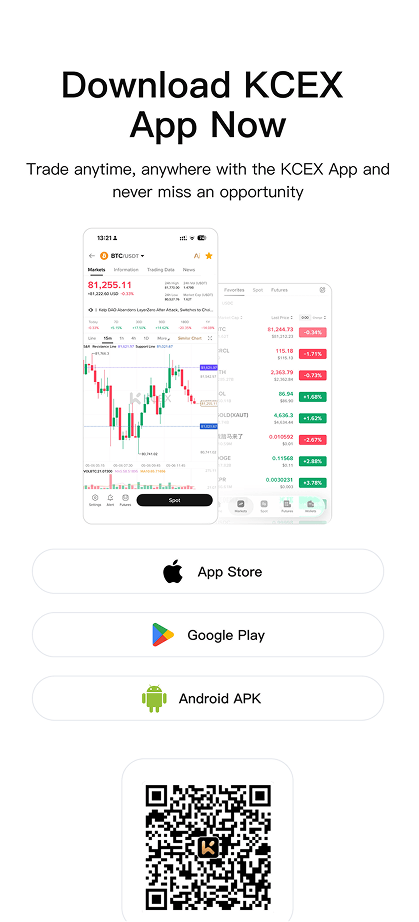
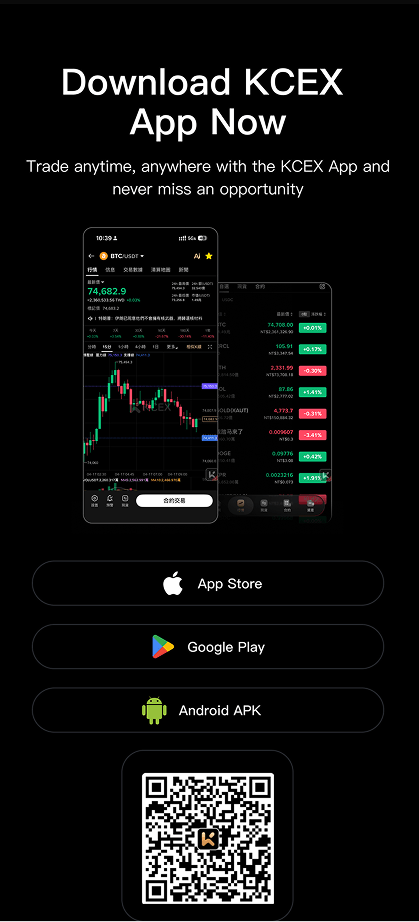
Why Choose KCEX?
What is ZRO?
ZRO is the network token associated with LayerZero, an omnichain interoperability protocol built to let smart contracts and applications communicate across different blockchains. LayerZero documentation describes the protocol around Endpoint contracts, verification, and execution, giving developers a way to build omnichain applications, move messages, and support token standards that are designed for cross-chain environments rather than a single isolated network.
Why buy ZRO?
People researching how to buy ZRO are usually looking at exposure to the LayerZero ecosystem and its role in cross-chain messaging. Public crypto market data sources list ZRO as the LayerZero token, and official LayerZero materials connect the token to the protocol’s network activity and broader interoperability stack. A buyer may be interested in ZRO because LayerZero is used as infrastructure for omnichain applications, but that interest should be based on personal research rather than assumptions about future price performance.
ZRO also has a more specific narrative than many general-purpose crypto assets: it is tied to a protocol focused on moving data, value instructions, and application logic between chains. For beginners comparing assets, that means the key question is not only whether ZRO is available on KCEX, but whether they understand why interoperability matters, how LayerZero’s architecture is documented, and how token supply, governance context, ecosystem usage, and market liquidity may affect their decision.
What should beginners know before buying ZRO?
Before buying ZRO, beginners should confirm the exact asset name, ticker, and network details because short tickers can be reused or confused with unrelated terms. ZRO should be researched as LayerZero’s token, not as a generic abbreviation. Check current market data, official LayerZero resources, token contract information where relevant, and the live ZRO market shown on KCEX before placing any order.
It is also important to remember that ZRO is connected to a technical infrastructure project, so headlines alone are not enough. Review how LayerZero describes Endpoints, decentralized verifier networks, executors, omnichain applications, and token standards, then compare that with public market data such as circulating supply and trading activity. Buying ZRO does not guarantee profit, and beginners should avoid making decisions based on hype, price predictions, or unsupported claims.
FAQ
Buying LAYERZERO on KCEX is safe. The platform uses two-factor authentication, encrypted storage, KYC verification, and cold wallet custody to protect your assets.
Crypto assets like LAYERZERO are highly volatile due to shifts in supply and demand, news events, trading volume, and investor sentiment. Volatility is normal in crypto markets - consider strategies like dollar-cost averaging (DCA) to manage risk.
KCEX offers zero maker fees on ZRO/USDT spot trading, and deposits and withdrawals are also fee-free on the platform side. For a full breakdown, visit the KCEX Fee Schedule.
KCEX supports on-chain crypto deposits with zero platform fees. Simply transfer supported tokens to your KCEX wallet address, and once confirmed on-chain, your funds are ready to trade.
KCEX provides live ZRO price charts, volume metrics, and market depth tools on the trading page. Use these to monitor price movements and plan your entry or exit points.
Whether LAYERZERO is suitable for long-term investment depends on its fundamentals and your personal goals. Research the project's use case, development team, and roadmap before committing. This is not financial advice - always DYOR.
Tax rules vary by country. In many jurisdictions, purchasing LAYERZERO is not a taxable event, but selling or trading may trigger capital gains obligations. Always consult a qualified local tax advisor.